

Finding an industrial sealant that actually stands up to extreme weather, constant vibration, and decades of aging is a massive headache for engineers and manufacturers.
Traditional sealants dry out, crack, and fail when the pressure is on.
That is exactly where butyl rubber hot melt adhesive changes the game.
Whether you are manufacturing insulating glass units, installing heavy-duty roofing flashing tape, or designing self-sealing tires, you need a barrier that offers absolute gas impermeability and permanent elasticity. You cannot afford leaks, and you certainly cannot afford downtime.
At KAISUN, we engineered a 100% solids, solvent-free hot melt that provides an instant, moisture-proof sealing bond via automated extrusion. No waiting for long cures. No toxic VOCs. Just a relentless, high-tack rubber adhesive that seals perfectly from -40°C to +90°C.
Let’s dive into how this powerful thermoplastic chemistry works and why it is becoming the absolute gold standard for modern waterproofing and industrial sealing.
Industrial Sealing Challenges and the Role of Butyl Rubber Hot Melt Adhesive
Industrial environments subject sealing materials to grueling conditions, including extreme temperature fluctuations, structural movement, and relentless moisture exposure. Traditional sealants often fail to meet these demands. Over time, conventional solvent-based or acrylic sealants dry out, shrink, crack, and lose their elastomeric properties, leading to catastrophic joint failures and costly water intrusion.
To overcome these vulnerabilities, modern engineering demands high-performance solutions like butyl rubber hot melt adhesive. Also known as IIR hot melt adhesive, this advanced thermoplastic material provides an instantaneous, permanent barrier against environmental stressors. Unlike traditional options that rely on solvent evaporation or lengthy cure times, butyl adhesive for waterproofing maintains its integrity under severe stress, delivering the continuous flexibility and robust adhesion required for heavy-duty industrial applications.
Limitations of Traditional Sealants in Extreme Conditions
Standard architectural and automotive sealants frequently break down when exposed to harsh, real-world environments. Understanding their limitations highlights why a shift to advanced hot melt technology is necessary:
- Shrinkage and Cracking: Solvent-based sealants lose volume as they cure, creating internal stresses that lead to premature cracking and bond separation.
- Embrittlement at Low Temperatures: Many traditional sealants lose their flexibility in cold weather, becoming brittle and fracturing under minimal mechanical stress.
- Slumping and Degradation at High Temperatures: Under intense heat, standard sealants can soften, sag, or degrade chemically, compromising the structural seal.
- Poor Moisture Barriers: Standard sealants often exhibit high water vapor transmission rates, allowing moisture to slowly penetrate the system over time.
What Is Butyl Rubber Hot Melt Adhesive?
Butyl rubber hot melt adhesive, technically known as IIR hot melt adhesive, is a 100% solid, solvent-free thermoplastic sealant. Unlike traditional liquid sealants that rely on evaporation to dry, this material transforms from a solid state to a high-tack fluid when heated, then quickly reverts back to a solid, permanently elastic state as it cools.
Chemical Composition and Physical State
At its core, this adhesive blends isobutylene-isoprene rubber (IIR) with specialized tackifying resins and polymers. It is manufactured and shipped as a solid block or drum, requiring specialized hot melt equipment to melt and apply. Similar to how certain PSA hot melt adhesive guides detail high-tack formulations, this specific chemical breakdown ensures the material retains a unique balance of high internal strength and aggressive surface stickiness without ever becoming brittle.
Advantages of Thermoplastic Hot Melt Over Solvent-Based Sealants
- Zero Volatile Organic Compounds (VOCs): Because it is a solvent-free hot melt, it releases no toxic fumes during application, making it safer for indoor production environments.
- No Shrinkage: Solvent-based sealants lose volume and shrink as they dry, which can create micro-gaps. Thermoplastic butyl maintains its exact volume from application to cooling.
- Instant Structural Handling: There is no waiting around for hours of curing time. As soon as the temperature drops, the bond is at full strength, speeding up automated assembly lines.
Key Characteristics: Elasticity, Eco-Friendliness, and Impermeability
The defining superpower of this material is its unmatched gas impermeability. It creates an absolute moisture and vapor barrier adhesive layer that blocks out air, water, and moisture better than almost any other elastomer on the market. Additionally, it offers permanent elasticity, meaning it expands and contracts under extreme weather or mechanical vibration without cracking, while remaining an eco-friendly choice that complies with strict environmental regulations.
Technical Benefits of Butyl Hot Melt Adhesive
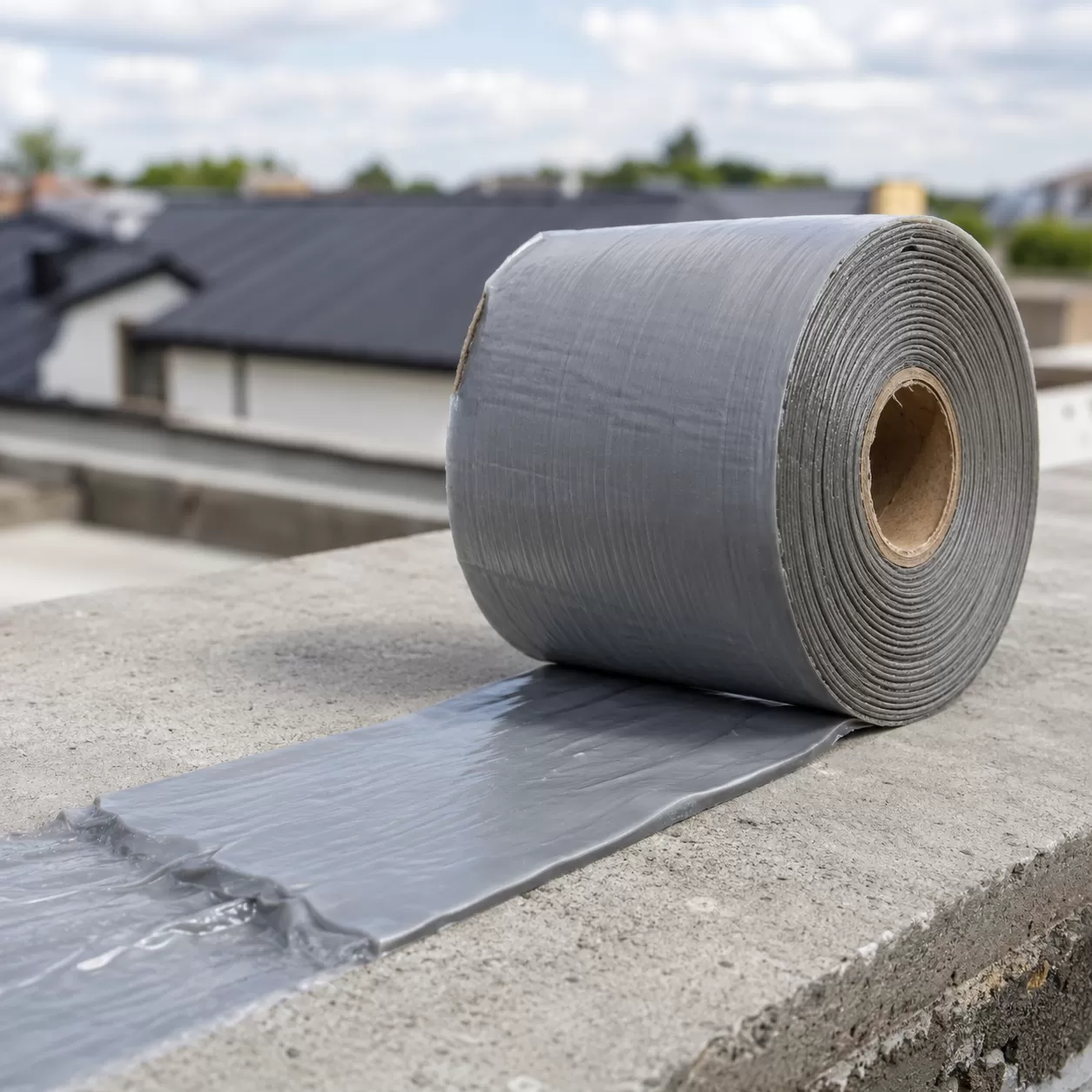
When choosing a high-performance sealant, we look for materials that survive real-world abuse. Our butyl rubber hot melt adhesive provides a permanent elasticity that handles mechanical stress and structural shifts without cracking.
To help you choose the right product, it is useful to understand how to choose the right hot melt adhesive based on your specific application needs. For heavy-duty industrial and commercial jobs, this thermoplastic butyl sealant brings serious advantages to the table:
- Instant Bonding: High-tack rubber adhesive properties deliver rapid tack right out of the applicator, eliminating long clamping or curing times.
- Self-Healing Action: If a puncture occurs, the material flows back together under pressure, maintaining a continuous moisture-proof sealing barrier.
- Zero Solvent Shrinkage: As a 100% solids, solvent-free hot melt, it won’t shrink, crack, or pull away from joints over time.
Material Compatibility and Performance Ratings
This adhesive bonds across drastically different expansion rates, making it highly effective for TPO membrane bonding, metal roofing, and window manufacturing.
| Substrate Type | Compatibility Rating | Key Performance Feature |
|---|---|---|
| Metal (Steel, Aluminum) | Excellent | Resists thermal shearing during temperature spikes |
| Glass | Excellent | Functions as a reliable insulating glass primary sealant |
| Plastics (PVC, TPO) | Excellent | Strong molecular grip without surface degradation |
| Concrete & Masonry | High | Fills porous gaps to block moisture ingress |
Temperature and Environmental Resistance
Weather in the United States runs the gamut from freezing northern winters to scorching desert heat. Our formula maintains its physical integrity across a wide thermal span:
- Low-Temperature Flex (-40°C): Stays flexible without becoming brittle or cracking under freezing conditions.
- High-Temperature Stability (+90°C): Resists sagging, running, or oozing when exposed to direct summer sunlight on metal roofs or automotive bodies.
This balance of gas impermeability, weather resistance, and long-term durability makes it the reliable standard for demanding physical environments.
Main Applications of Butyl Rubber Hot Melt Adhesive in Waterproofing and Sealing
We engineer our butyl rubber hot melt adhesive to solve the toughest moisture ingress and air leakage problems across major US industries. When structural integrity and long-term durability cannot be compromised, this high-tack thermoplastic butyl sealant delivers an immediate, impenetrable barrier.
Our specialized formulations serve as the backbone for four primary industrial applications:
Construction & Roofing: Membranes, Flashing, and Expansion Joints
Commercial and residential roofing systems demand materials that withstand extreme weather shifts without cracking.
- TPO Membrane Bonding: Provides a permanent, flexible bond to single-ply roofing systems, preventing wind uplift and moisture penetration.
- Roofing Flashing Tape Material: Acts as the critical self-sealing compound for flashing tapes around windows, doors, and roof penetrations.
- Expansion Joints: Maintains permanent elasticity during structural shifting and concrete settling, preventing water leaks over decades of thermal cycles.
Insulating Glass Units (IGU): Primary Moisture Barrier
In the window manufacturing industry, minimizing gas loss and preventing internal fogging is essential. Our IIR hot melt adhesive functions as the premier insulating glass primary sealant.
- Gas Impermeability: Offers industry-leading resistance to argon gas dissipation, ensuring energy-efficient windows maintain their R-value.
- Vapor Barrier Adhesive: Blocks moisture vapor from entering the spacer cavity, eliminating internal condensation and extending window lifespans.
Automotive & Transportation: Tire Sealing and Body Sealing
Modern vehicle manufacturing requires lightweight, reliable, and acoustic-dampening sealing options that integrate seamlessly into automated assembly lines.
- Self-Sealing Tire Adhesive: Applied as an internal lining that instantly seals punctures from nails and debris, maintaining tire pressure.
- Body Sealing & Vibration Damping Sealant: Applied to door panels, firewalls, and joints to block out road noise, eliminate rattles, and prevent metal-on-metal water corrosion.
HVAC Systems: Duct and Flange Sealing
Commercial HVAC installations require airtight seals to prevent energy loss and maintain indoor air quality.
- Duct and Flange Sealing: Creates a permanent, moisture-proof sealing layer along rectangular and round duct joints.
- Pressure Resistance: Our butyl adhesive for waterproofing and air-sealing handles continuous high-pressure airflow without drying out, flaking, or shrinking over time.
Looking for more advanced sealing options? Explore our full range of high-performance industrial products to find the exact formulation for your assembly line.
Why Choose KAISUN Butyl Hot Melt Adhesive?
We engineered our butyl rubber hot melt adhesive to meet the rigorous demands of modern manufacturing and harsh environmental conditions. When you choose KAISUN, you are investing in a high-efficiency, long-term sealing solution tailored to your exact production needs.
Built for Automated Production Lines
In the US manufacturing sector, speed and precision are everything. Our IIR hot melt adhesive features excellent melt stability and consistent flow characteristics, making it perfectly optimized for high-speed automated extrusion adhesive systems. It eliminates nozzle clogging and reduces downtime, allowing your assembly line to run at peak efficiency. For operations utilizing diverse adhesive technologies, choosing the right hot melt adhesive manufacturer ensures your automated setups remain reliable and compatible with various formulations.
Extended 20+ Year Aging Performance
胶水 (Glue) shouldn’t be the weak link in your product. KAISUN butyl hot melt delivers an extended service life of over 20 years. It maintains its permanent elasticity and high-tack bond without hardening, cracking, or degrading under continuous environmental stress.
Eco-Friendly and Globally Compliant
We prioritize safety and sustainability. Our solvent-free hot melt formulation emits zero VOCs, ensuring a safer workspace for your operators. KAISUN products are fully compliant with stringent international standards, including REACH and RoHS, making them ideal for environmentally conscious projects.
Custom Viscosity and Softening Point Options
Every application has unique requirements. We don’t believe in a one-size-fits-all approach. We offer customizable formulations to match your specific application temperatures and substrate requirements.
| Customization Option | Performance Range | Primary Benefit |
|---|---|---|
| Viscosity Adjustment | Low to High Shear | Matches specific automated pump and extrusion pressures |
| Softening Point | Tailored (°C / °F) | Prevents sagging or running in high-temperature environments |
| Tack Level | Standard to High-Tack | Optimizes immediate green strength for specific substrates |
Best Practices for Application of Butyl Rubber Hot Melt Adhesive
Getting the absolute best performance out of butyl rubber hot melt adhesive requires precise execution during the prep, melting, and storage phases. Because this moisture-proof sealing material is a solvent-free hot melt, it relies entirely on thermal consistency and clean surfaces to establish a permanent, high-tack bond.
Surface Preparation: Cleaning and Drying
Before applying the IIR hot melt adhesive, substrate surfaces must be flawless. Any contamination will compromise the vapor barrier adhesive properties.
- Remove Contaminants: Ensure all substrates (metal, glass, PVC, or concrete) are completely free of oil, grease, dust, and rust.
- Complete Moisture Elimination: Surfaces must be 100% dry. Trapped moisture ruins the contact area and creates voids in the seal.
- Solvent Wipe: Use a fast-evaporating cleaner like isopropyl alcohol on non-porous surfaces to clear away microscopic residue.
Temperature Control for Optimal Melting and Bonding
Since this is a thermoplastic butyl sealant, temperature control is everything. Operating outside the recommended window will either cause poor wetting or thermal degradation.
- Application Temperature: Maintain application equipment between 130°C to 160°C (266°F to 320°F) to achieve the ideal viscosity for an automated extrusion adhesive.
- Avoid Overheating: Never exceed the maximum temperature threshold, as prolonged overheating breaks down the rubber polymers, ruining its permanent elasticity.
- Pre-heating Substrates: In colder workshop conditions, pre-heat cold metal or concrete surfaces slightly to prevent the hot melt from chilling too fast, ensuring maximum wet-out and rapid tack.
Storage Tips to Maintain Shelf Life and Prevent Oozing
Proper storage prevents material deformation and preserves the long-term quality of our butyl blocks and drums.
- Cool and Dry Storage: Keep the adhesive stored in a climate-controlled area below 30°C (86°F), away from direct sunlight and heating elements.
- Prevent Oozing: Stacking boxes too high causes cold flow and oozing due to the material’s inherent pressure sensitivity. Limit pallet stacking heights according to specification sheets.
- Equipment Care: If you are switching production lines between different formulations, understanding how to use PUR hot melt adhesive or EVA lines properly will help you safely purge and maintain your extrusion systems without cross-contamination.
Butyl Hot Melt vs. Silicone and Polyurethane
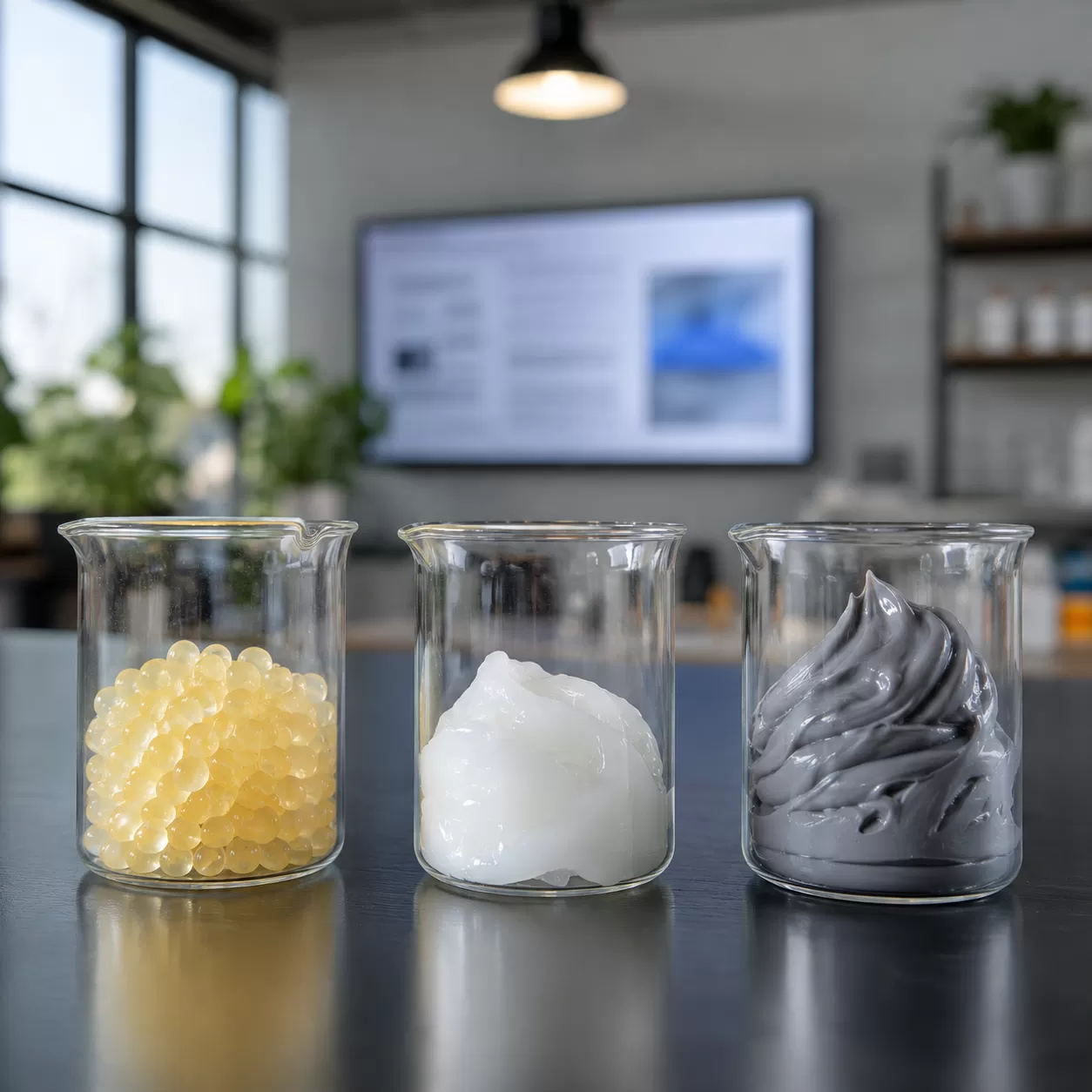
When choosing a sealant for demanding industrial applications, understanding how different materials behave under stress is critical. While silicone and polyurethane are popular choices for various construction tasks, butyl rubber hot melt adhesive offers distinct advantages in moisture protection and production efficiency.
The biggest differentiator is the curing process. Silicone and polyurethane rely on chemical reactions that require hours—sometimes days—to fully cure and achieve maximum bond strength. In contrast, thermoplastic butyl sealant creates an instant, high-tack bond simply by cooling down, making it the ideal choice for high-speed automated assembly lines.
Furthermore, when looking at gas impermeability and vapor barrier performance, butyl rubber outperforms the competition. Silicone possesses a porous molecular structure that allows moisture vapor and gases to pass through relatively easily. Polyurethane offers better resistance than silicone but still degrades over time when exposed to constant moisture. For applications like insulating glass units or waterproofing membranes, our butyl rubber adhesive creates an airtight, impenetrable seal that maintains permanent elasticity without cracking or shrinking.
Key Properties Comparison
| Property | Butyl Rubber Hot Melt Adhesive | Silicone Sealant | Polyurethane Sealant |
|---|---|---|---|
| Curing Time | Instant (via cooling) | Slow (24–48 hours) | Slow (24–72 hours) |
| Gas & Vapor Impermeability | Excellent (Industry standard) | Poor | Moderate |
| Permanent Elasticity | Yes (Never hardens or shrinks) | Yes | Variable (Can harden over time) |
| Initial Tack / Grab | High immediate bond | Low (Requires fixture) | Low to Moderate |
| UV Resistance | Good (Excellent when shielded) | Outstanding | Moderate (Prone to chalking) |
| Solvent Content | 100% Solid (Solvent-free) | Low to High | Contains solvents/isocyanates |
Future Outlook: Sealing Solutions with KAISUN
The demand for high-performance sealing continues to evolve as modern infrastructure and manufacturing push the limits of durability. Butyl rubber hot melt adhesive has firmly established itself as the industry standard due to its unmatched gas impermeability, permanent elasticity, and reliable moisture barrier properties. As North American industries shift toward automated production and stricter environmental regulations, traditional solvent-based sealants are rapidly being phased out. KAISUN remains at the forefront of this shift, delivering advanced IIR hot melt adhesive formulations that meet the rigorous standards of modern commercial applications.
Why KAISUN Butyl Hot Melt Is the Industry Standard
| Feature | KAISUN Butyl Hot Melt Benefit | Industry Impact |
|---|---|---|
| Lifespan | Extended aging performance (20+ years) | Reduces maintenance costs and warranty claims. |
| Efficiency | Optimized for automated extrusion lines | Maximizes factory throughput and lowers labor costs. |
| Compliance | Fully REACH and RoHS compliant | Safe for eco-friendly and green building projects. |
Our thermoplastic butyl sealant provides the exact stability and long-term tack required for critical applications, from insulating glass units to automotive weatherproofing. We engineer each batch to ensure consistent viscosity, preventing the common issue of adhesive oozing under high summer temperatures while maintaining flexibility during freezing winters.
Partner with KAISUN for Bulk Orders and Technical Data
Securing the right adhesive formulation is critical to eliminating field failures and optimizing your production line efficiency. We provide comprehensive technical data sheets (TDS), safety data sheets (SDS), and custom formulation adjustments to match your specific application equipment and substrate requirements.
To request product samples, discuss custom viscosity options, or place wholesale orders, please visit our contact us page to connect directly with our engineering team. For more insights into our latest product rollouts and industrial exhibitions, check out our of the AWE 2026 KAISUN showcase.


