

The Science of Stickiness: How Does PSA Hot Melt Adhesive Work?
Hot melt pressure sensitive adhesive (HMPSA) operates on a unique physical principle: it remains permanently tacky and bonds to surfaces upon the application of light pressure, all without requiring activation by water, solvent, or heat. Unlike traditional hot melts that set hard as they cool, a pressure sensitive hot melt adhesive maintains a permanent balance of liquid-like wetting and solid-like cohesion at room temperature.
The Viscoelastic Balance: Acting as Both Liquid and Solid
The secret behind the performance of an HMPSA lies in its viscoelastic properties of PSA. The adhesive behaves simultaneously as a structured solid and a viscous liquid.
- Liquid-like behavior: Under light pressure, the adhesive flows into the microscopic valleys of the substrate, achieving maximum wet-out.
- Solid-like behavior: Once the pressure is released, the adhesive resists flowing backward, maintaining structural integrity and holding the bond under stress.
Bonding Mechanism: Van der Waals Forces and Permanent Molecular Attraction
The actual bonding process does not rely on a chemical reaction. Instead, it is driven by Van der Waals forces—weak physical attractions that occur at the molecular level when two surfaces are brought into intimate contact. Because the hot melt PSA achieves complete wet-out, these molecular forces multiply across the contact area, resulting in a powerful, reliable bond without damaging the substrate.
Key Performance Indicators: Tack, Peel Adhesion, and Shear Strength
Evaluating the performance of a rubber-based PSA requires balancing three distinct, often competing, metrics:
| Performance Metric | Industrial Definition | Manufacturing Impact |
|---|---|---|
| High Initial Tack | The ability of the adhesive to form an immediate bond upon contact with zero pressure. | Determines line speed in automated labeling and packaging. |
| Peel Adhesion | The force required to peel a bonded tape or label from a specific substrate at a defined angle and speed. | Defines the permanence of the bond (e.g., removable vs. tamper-evident labels). |
| Shear Strength | The internal cohesion of the adhesive layer, measuring its resistance to continuous splitting forces. | Prevents adhesive slippage in vertical holding applications or heavy-duty tapes. |
Core Chemistry: What is Inside an HMPSA Formulation?
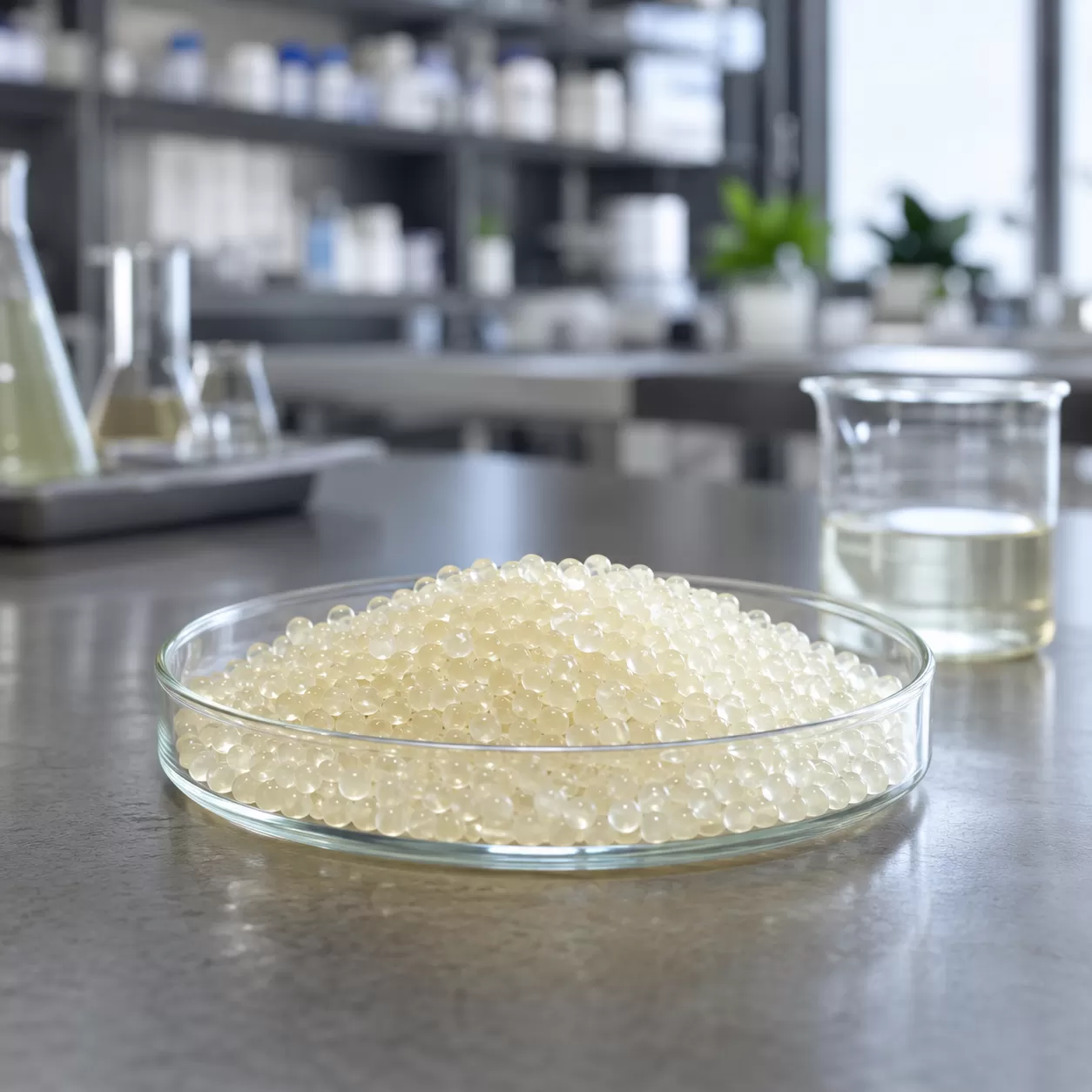
Understanding the core chemistry of a hot melt pressure sensitive adhesive (HMPSA) formulation helps explain why it performs so reliably on the production line. Unlike other types of hot melt adhesives, an HMPSA never fully solidifies into a rigid bond; it remains permanently tacky. We carefully balance four primary ingredients to achieve this unique characteristic.
+———————————————————————–+
| TYPICAL HMPSA FORMULATION |
+———————————————————————–+
| [ Base Polymers ] -> Provides cohesion, strength, & elasticity |
| — |
| [ Tackifiers ] -> Controls stickiness and wetting properties |
| [ Plasticizers ] -> Lowers viscosity and improves flexibility |
| [ Antioxidants ] -> Prevents thermal degradation during pot life |
+———————————————————————–+
Base Polymers: Cohesion and Elasticity via SIS, SBS, or SEBS
The backbone of any rubber-based PSA consists of thermoplastic block copolymers. We use specific polymer chains to give the adhesive its internal strength (cohesion) and elasticity:
- SIS (Styrene-Isoprene-Styrene): The industry standard for premium label stock adhesive formulations, offering exceptional tack and high flexibility.
- SBS (Styrene-Butadiene-Styrene): Provides higher shear strength and structural integrity, making it ideal for heavy-duty industrial tape adhesives.
- SEBS (Styrene-Ethylene-Butylene-Styrene): A saturated copolymer used when UV resistance and high-temperature stability are critical.
Tackifying Resins: Adjusting Stickiness and Glass Transition Temperature ($T_g$)
Base polymers provide the structure, but they aren’t inherently sticky enough on their own. We add tackifying resins to fine-tune the room-temperature grab and adjust the glass transition temperature ($T_g$) of the formulation. By blending natural rosin esters or synthetic hydrocarbon resins, we control how easily the adhesive wets out onto a substrate when pressure is applied.
Plasticizers and Oils: Lowering Viscosity for Better Flexibility
To ensure the adhesive flows smoothly through application equipment, we incorporate paraffinic or naphthenic processing oils. These plasticizers lower the melt viscosity for clean die-cutting performance and keep the adhesive permanently flexible, even in low-temperature freezer applications. If your manufacturing process requires a bond that completely cures and sets hard rather than staying tacky, a reactive option like a PUR adhesive guide might be better suited for your machinery than a traditional pressure-sensitive formulation.
Antioxidants and Stabilizers: Preventing Thermal Degradation
Because hot melt PSA sits in open melting tanks at high temperatures for extended periods, it is highly vulnerable to thermal degradation, charring, and skinning. We blend hindered phenols and phosphite stabilizers into the mix to protect the polymers. This ensures the adhesive maintains a stable viscosity and consistent color throughout its entire pot life.
Deep Dive: Key Applications in Modern Manufacturing
PSA hot melt adhesive is the silent engine behind many of the products we use daily. In the United States, where logistics and consumer goods move at a breakneck pace, the versatility of these adhesives is a major competitive advantage for manufacturers.
Premium Labels and Graphic Media
From the high-speed sorting facilities of major logistics hubs to the grocery store freezer aisle, hot melt PSA is the gold standard for labeling.
- Logistics & Shipping: High-tack formulations ensure shipping labels stay put on corrugated boxes, even in humid warehouses.
- Freezer Grades: Specialized adhesives maintain their grip in sub-zero temperatures, preventing labels from “popping” off frozen food packaging.
- Clear-on-Clear: Used for high-end beverage labels where a “no-label” look is required, providing excellent clarity without yellowing.
Industrial and Specialty Tapes
When it comes to industrial tape adhesives, performance is non-negotiable. We design these to bond specifically to low surface energy (LSE) plastics, which are notoriously difficult to stick to.
- Automotive: Used in sound dampening and wire harness tapes to reduce cabin noise.
- Construction: Permanent mounting tapes that replace mechanical fasteners.
Disposable and Personal Hygiene Products
In the hygiene sector, safety meets performance. Our hygiene nonwoven adhesive solutions are engineered to be hypoallergenic and skin-safe.
- Baby Care: Critical for diaper construction and fastening tapes.
- Feminine Hygiene: Provides secure positioning for napkins while ensuring clean removal from fabrics.
E-Commerce and Secure Packaging
The explosion of online shopping has made self-seal courier bags and tamper-evident technology more important than ever.
- Security: High-bond strength ensures that if a package is opened, the film tears, providing immediate evidence of tampering.
- Efficiency: Instant bonding allows for rapid fulfillment in high-volume e-commerce centers.
If you’re looking to upgrade your production line, choosing a reliable hot melt adhesive manufacturer is the first step toward ensuring these high-performance materials work seamlessly with your existing equipment. You can also explore our full range of specialized adhesive products to find the perfect match for your specific substrate.
Industrial Advantages: Why Factories are Switching to HMPSA
Manufacturing plants across the United States are rapidly replacing traditional bonding methods with hot melt pressure sensitive adhesive (HMPSA). The switch comes down to improving the bottom line, keeping workers safe, and ensuring products survive the supply chain. If you are trying to figure out how to optimize your production lines, how to choose the right hot melt adhesive often comes down to analyzing these specific operational benefits.
Speed and Operational Efficiency
Traditional water-based or solvent-based adhesives require massive drying ovens and valuable floor space to cure. HMPSA eliminates this bottleneck entirely.
- Instant Green Strength: It bonds immediately upon contact, allowing assembly lines to run at maximum speeds.
- Zero Drying Time: Products can be packed, stacked, and shipped right off the line, drastically reducing work-in-progress inventory.
- Clean Die-Cutting Performance: The adhesive formulation prevents gumming up machinery, minimizing downtime for maintenance.
Eco-Friendly and Workspace Safe
Modern manufacturing demands sustainable solutions that don’t compromise on performance. Switching to a zero VOC hot melt protects both your workers and your environmental compliance record.
| Feature | Solvent-Based Adhesives | HMPSA (Hot Melt PSA) |
|---|---|---|
| Composition | Liquid with volatile solvents | 100% solids formulation |
| Emissions | High VOCs, requires ventilation | Zero VOC compliance |
| Hazard Risk | Flammable, toxic fumes | Safe, non-hazardous handling |
Thermal and Weather Resilience
The US supply chain exposes packaging to extreme environments, from freezing Midwest winters to blistering hot cargo trucks in the South. A high-quality rubber-based PSA provides the thermal stability needed to survive these transitions.
- Cold Storage Stability: Maintains a high initial tack without becoming brittle, preventing label flagging in freezers.
- Heat Resistance: Resists softening or bleeding when exposed to high shipping temperatures.
- Permanent Bond Integrity: Keeps self-seal courier bags and industrial tapes securely sealed from the factory floor to the customer’s doorstep.
Customization and Application Methods for PSA Hot Melt Adhesive
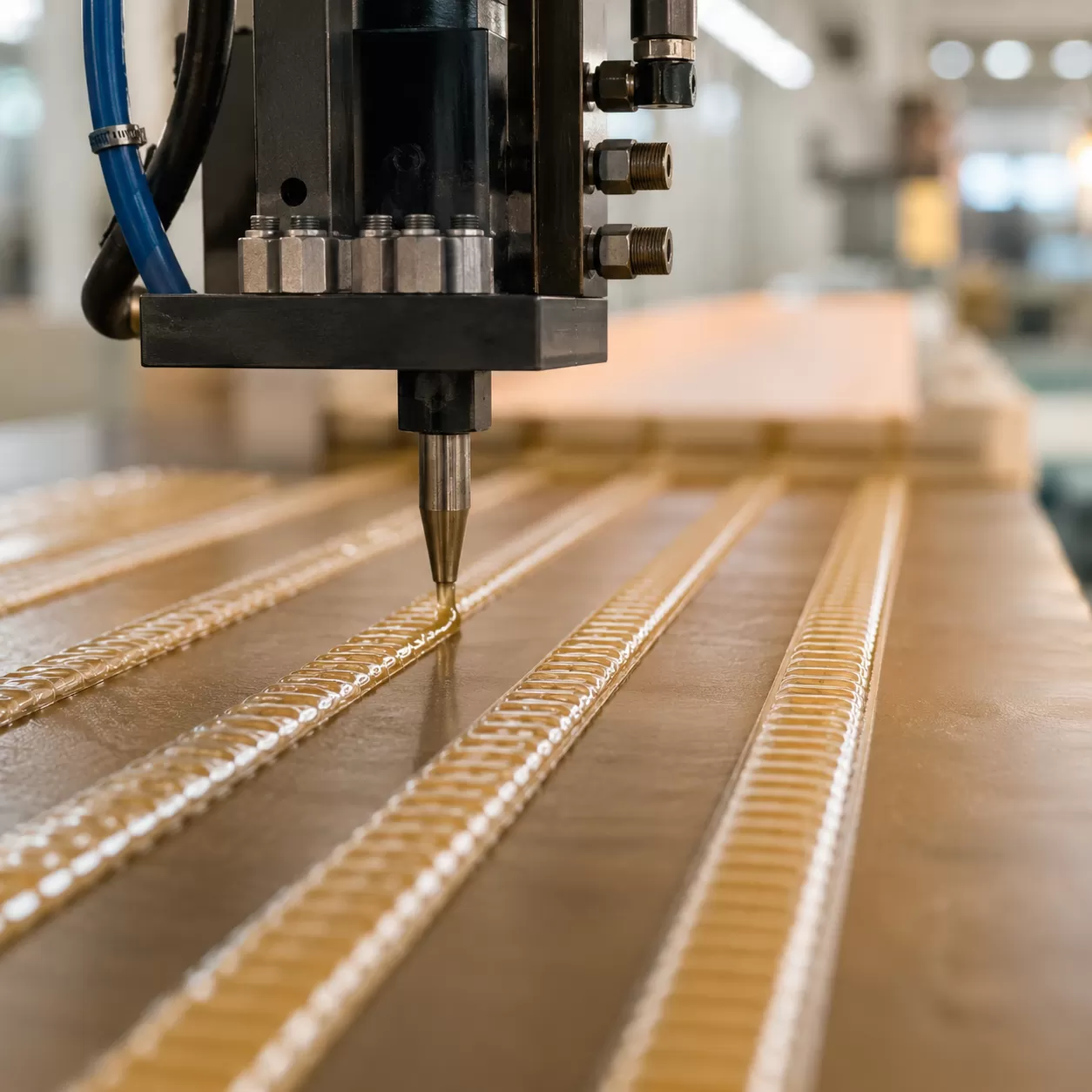
Getting the most out of a hot melt pressure sensitive adhesive comes down to how you apply it on the production line. We design our HMPSA formulation options to match specific machinery, ensuring seamless processing without messy buildup or misting. For deeper insights into our manufacturing standards and industrial breakthroughs, feel free to check out our blog.
Matching Viscosity to Equipment
Different production setups require different adhesive behaviors. We dial in the viscosity of our rubber-based PSA products to integrate perfectly with the three primary industry application methods:
- Slot-Die Coating: Ideal for premium label stock adhesive applications. It delivers a precise, continuous uniform film, which is critical for clear-on-clear labels and high-speed packaging lines.
- Roll Coating: Best suited for heavy-duty industrial tape adhesives. This method excels at applying thicker adhesive layers onto diverse backings.
- Spray Application: The go-to choice for hygiene nonwoven adhesive needs. It creates a breathable, fiber-like pattern perfect for disposable personal care items.
| Application Method | Best Used For | Key Advantage |
|---|---|---|
| Slot-Die | Premium labels, self-seal courier bags | Ultra-precise thickness control |
| Roll Coating | Industrial and specialty tapes | Excellent for heavy, high-viscosity coats |
| Spray | Hygiene products, diapers, napkins | Maintains substrate softness and breathability |
Compliance Matters: REACH, RoHS, and ISO 9001
In the US market, regulatory compliance is non-negotiable. Our pressure sensitive hot melt adhesive lineups are manufactured under strict ISO 9001 quality management systems to guarantee batch-to-batch consistency.
We ensure our formulations meet REACH and RoHS standards, meaning they are free from harmful heavy metals and hazardous chemicals. Whether you are producing skin-safe hygiene products or global shipping labels, our adhesives keep your brand compliant, safe, and ready for the market.
FAQs About PSA Hot Melt Adhesive
How do I prevent adhesive ghosting on labels?
Adhesive ghosting occurs when a hot melt pressure sensitive adhesive leaves behind a sticky residue after removal. To prevent this, ensure your formulation balances cohesion and adhesion. Upgrading to a premium block copolymer base increases internal strength, ensuring a clean release during high-speed converting.
Can HMPSA bond to low-surface-energy (LSE) plastics?
Yes, a properly formulated rubber-based PSA excels at bonding to low surface energy (LSE) plastics like polyethylene and polypropylene. Increasing the ratio of tackifying resins within the PSA hot melt adhesives blend lowers surface tension, allowing the glue to wet out completely and create a permanent bond on slick surfaces.
Is hot melt PSA safe for skin-contact hygiene products?
Absolutely. The hygiene nonwoven adhesive used in diapers and feminine care items undergoes strict testing to ensure it is hypoallergenic and non-toxic. Because these are zero VOC hot melt formulations, they contain no hazardous solvents, making them perfectly safe for sensitive skin contact.
What is the shelf life of industrial HMPSA?
When stored in its original packaging in a cool, dry warehouse below 85°F (29°C), industrial hot melt PSA typically has a shelf life of 12 to 24 months. Incorporating high-quality antioxidants and stabilizers into the formulation prevents premature oxidation and thermal degradation over time.


